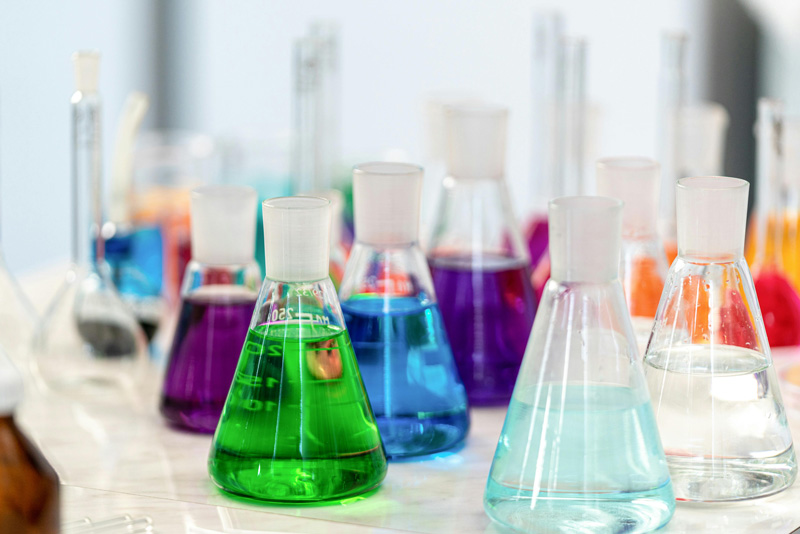
Limestone products and hydrated lime are essential raw materials in chemical manufacturing. They are widely used in producing calcium-based compounds for various industrial and commercial applications.
Steel Industry
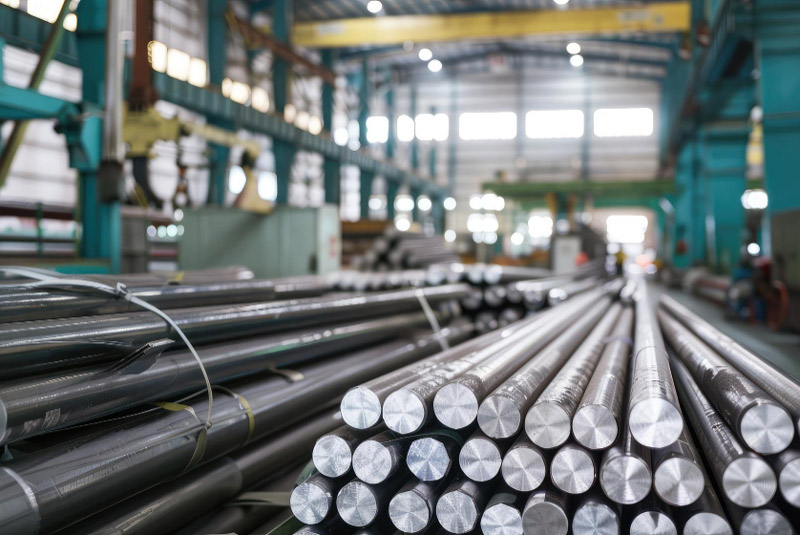
Quick lime is used as a flux in steel and metallurgical plants. It removes impurities during metal processing, making it a vital component in steel manufacturing operations.
Paper Industry
Quick lime acts as a coagulant in paper production using grass and waste paper. Hydrated lime is used for bleaching, improving paper quality, brightness, and consistency.
Glass Industry
Limestone is widely used in glass manufacturing as a stabilizing agent. It enhances the strength, durability, and clarity of glass while improving its overall mechanical properties and visual appearance.
Sugar Industry
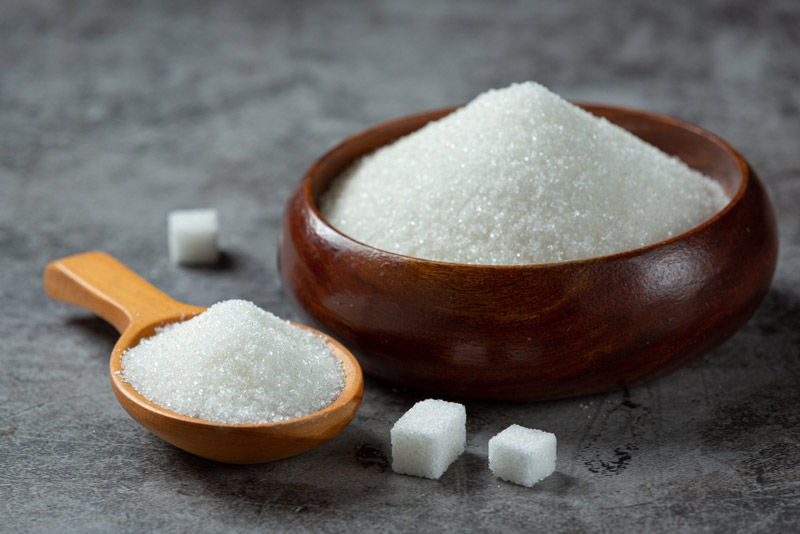
Hydrated lime and quick lime are essential in sugar production from cane and beet. They help remove impurities, correct pH levels, and enhance sugar clarity.
Water Treatment
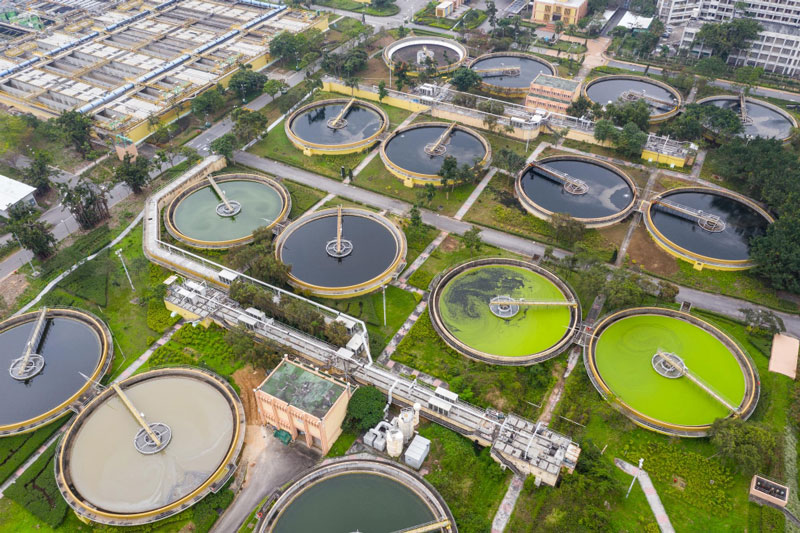
Quick lime and hydrated lime are extensively used in wastewater treatment plants. They help correct pH levels, remove heavy metals, precipitate phosphates, & improve flocculation.
Paints & Pigment Industry
Lime is widely used in cement-based paints as a filler material. It improves paint texture, durability, and overall surface finish.
Construction Industry
Lime is traditionally used in mortar and plaster as a binding agent. During hardening, it reacts with carbon dioxide to form calcium carbonate, providing strength and durability.
Road Building
Limestone grit and hydrated lime are used to create a strong, impermeable road base. This helps minimize water seepage, increases durability, and improves the overall lifespan of road structures.
Leather Industry
Lime is used as a cleaning and processing agent in leather manufacturing. It helps remove hair and impurities from raw hides, resulting in clean and high-quality leather.
Fuel Gas Treatment
Lime is used for treating sulfur dioxide gases before atmospheric release. This process reduces harmful emissions and supports environmental protection standards.
Agricultural Uses
Lime is used for soil conditioning, composting, fertilizer preparation, and disposal of animal waste. It improves soil quality, nutrient availability, and crop productivity.
Lubricants
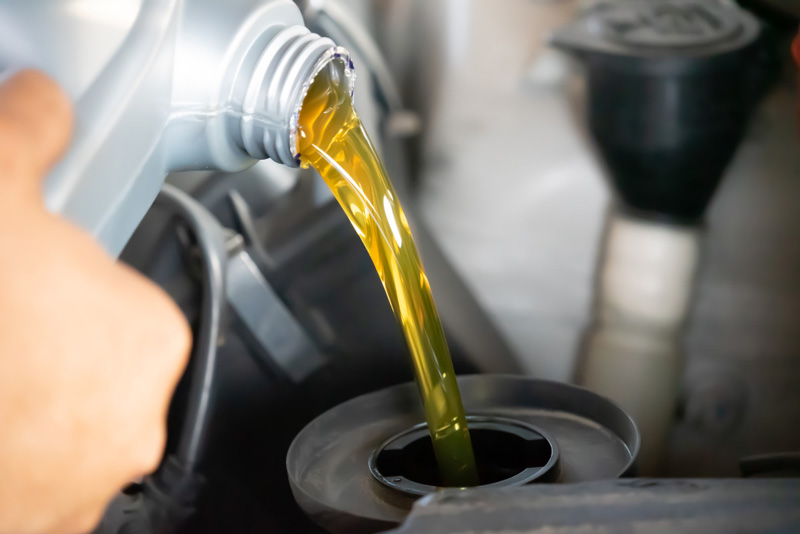
Lime is used in plastic extrusion processes and petroleum refining. It also plays a role in manufacturing lubricating greases for industrial applications.
Dairy Industry
Lime serves as a primary raw material in the production of baking powder. It plays a key role in food-grade processing and quality control applications.